
Introduction
Electronic equipment used in high-pressure environments requires reliable connections that can withstand demanding operating conditions. Pressure differences can place significant stress on equipment housings, electrical interfaces, and sealing components. If a connector fails to maintain its seal, gases or liquids may enter the protected enclosure, potentially damaging sensitive electronics and affecting overall system performance. Hermetic connectors are specifically designed to provide electrical connections while maintaining a sealed barrier between different environments.
These specialized connectors are used in industrial processing equipment, underwater systems, aerospace applications, scientific instruments, and other environments where pressure control is important. Their construction combines electrical insulation, mechanical strength, and sealing technology to support reliable operation. In many systems, hermetic feedthroughs provide the connection between internal electrical components and external equipment without compromising enclosure integrity.
Understanding Pressure-Related Challenges
High-pressure environments create several challenges for electrical connectors. Pressure may act on the connector housing, sealing materials, cable entry points, and electrical contacts. If the connector is not designed for the expected pressure conditions, deformation or leakage may occur.
Pressure differences can also change during equipment operation. For example, industrial machinery may experience repeated pressure cycles, while underwater equipment may be exposed to increasing pressure as operating depth changes. These conditions require connectors that can maintain their mechanical and sealing characteristics throughout the expected operating range.
Hermetic connectors address these challenges through specialized construction. Their sealing interfaces are designed to prevent unwanted gas or liquid movement through the electrical connection. However, the actual pressure capability depends on the connector design, materials, mounting arrangement, and manufacturer’s specifications.
How Hermetic Connectors Maintain Sealing Integrity
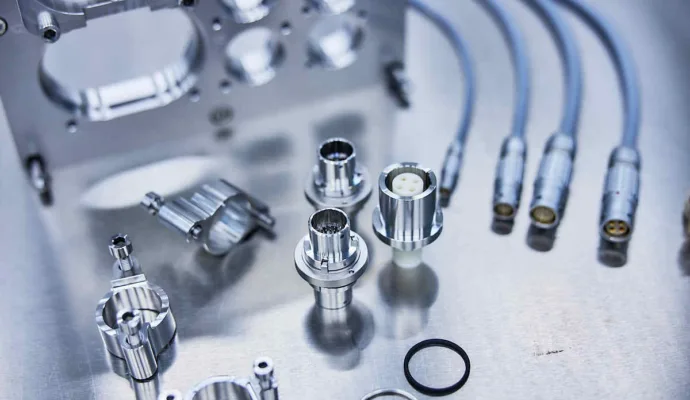
A hermetic connector creates a sealed electrical pathway through an equipment enclosure. Its design typically includes a metal housing, conductive contacts, insulating materials, and a sealing structure. Glass-to-metal and ceramic-to-metal sealing technologies are commonly used to create a strong barrier around the electrical contacts.
A hermetic feedthrough allows conductors to pass through a sealed wall while preserving the required environmental separation. This is especially useful in pressure vessels, vacuum chambers, and industrial systems that require electrical connections between internal and external components.
The sealing structure must remain stable under the expected mechanical loads. Material compatibility is important because different materials can expand or contract at different rates when temperatures change. A well-designed connector accounts for these differences to reduce stress on the sealing interface.
The Importance of Hermetic Wire Feedthrough Designs
Cable connections can become potential leakage paths if they are not properly integrated into a sealed enclosure. Standard cable entry methods may provide protection against dust or water but may not satisfy applications requiring hermetic sealing.
A hermetic wire feedthrough is designed to allow individual conductors or wire assemblies to pass through a sealed barrier. It can support electrical connections while helping maintain the pressure boundary of the equipment.
The wire material, insulation type, conductor diameter, and sealing method must be compatible. Engineers should evaluate these factors before selecting a connector because an unsuitable cable configuration can affect the performance of the complete assembly.
Applications in Industrial and Underwater Systems
Industrial processing equipment often operates under pressure to perform specialized manufacturing, chemical processing, and testing operations. Sensors and monitoring devices installed in these systems may need electrical connections through pressure-controlled housings.
Hermetic connectors help protect these connections by maintaining a sealed interface. A hermetic electrical feedthrough can transfer signals or power through the wall of a pressure vessel without requiring an unprotected opening.
Underwater equipment also benefits from suitable hermetic connector technology. Monitoring instruments, scientific sensors, and specialized subsea systems require electrical connections that can withstand the pressure conditions associated with their operating depth. The connector must be specifically rated for the application rather than selected based only on its general hermetic construction.
Material Selection and Mechanical Strength
The materials used in hermetic connectors influence their ability to withstand pressure. Metal housings provide structural support, while glass or ceramic insulation helps separate electrical contacts from the connector body.
The complete assembly must be designed to handle the expected pressure, temperature, vibration, and mechanical loading. Contact materials should also maintain electrical performance under the intended conditions.
Manufacturers may use different housing alloys and sealing materials depending on the application. Engineers should review technical specifications, pressure ratings, and test documentation before selecting a connector.
See also: The Transformation of Real Estate Valuation Through Technology in California
Testing and Installation Considerations
Pressure-related connector testing may include leak testing, pressure testing, thermal cycling, and electrical verification. The testing procedure should reflect the actual operating environment.
Installation is equally important. Incorrect mounting, excessive tightening, damaged sealing surfaces, or incompatible enclosure materials may reduce the performance of an otherwise suitable connector.
Conclusion
Hermetic connectors are essential in high-pressure environments because they provide electrical connections while helping maintain sealed equipment boundaries. Their specialized construction supports applications where leakage, contamination, or pressure changes could affect system reliability.

