
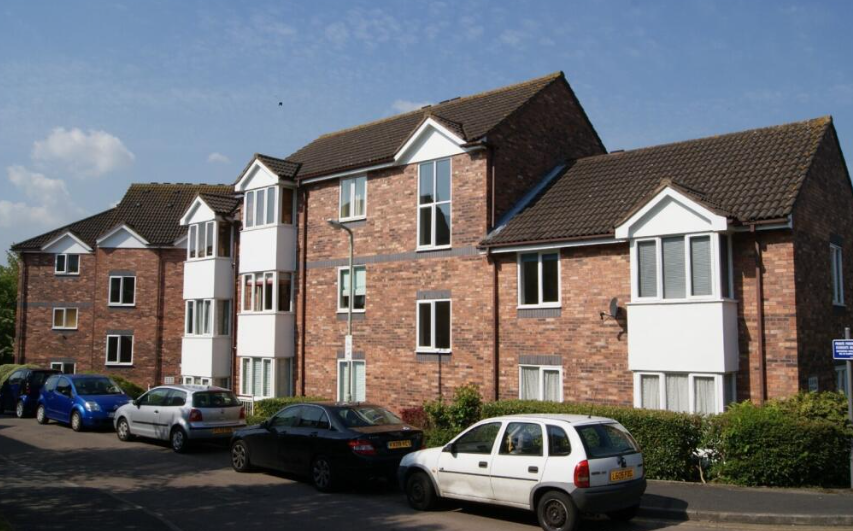
When searching for a rental home in the popular Hertfordshire city of St Albans, one of the most common questions from both renters and landlords is how long a typical tenancy lasts. Understanding the usual tenancy lengths can help you plan ahead, especially if you’re working with letting agents in St Albans or navigating the market independently. While exact durations depend on the agreement you sign, the structure of the private rental sector in England gives a clear picture of what to expect.
Typical Fixed-Term Tenancies
In St Albans, as across most of England, the majority of private rentals are offered as Assured Shorthold Tenancies (ASTs). These usually begin with a fixed-term contract. The most common initial fixed terms range from six months to 12 months, although it’s perfectly normal for landlords to offer longer periods such as 18 months or two to three years, depending on the type of property and the tenant’s requirements.
Some landlords, particularly those seeking long-term stability, may agree to even longer fixed terms of up to seven years, though this is less common. Families, long‑term professionals, and those seeking stability often favour longer agreements.
What Happens After the Fixed Term Ends?
Once the initial fixed term expires, there are several options available:
- Renewal for another fixed term, which is common when both landlord and tenant want continuity.
- Allowing the tenancy to roll into a periodic tenancy, which becomes a month‑to‑month agreement.
- Ending the tenancy, if either party chooses to move on.
Periodic tenancies are an extremely common path in St Albans, offering flexibility while still giving both sides an ongoing, straightforward arrangement. They continue automatically until formally ended with proper notice.
See also: Boost Your Business with a Leading Digital Marketing Agency Chicago IL
How Long Do Tenants Usually Stay?
While the legal structure sets out minimums and maximums, actual rental behaviour shows that many tenants stay in properties for far longer than their initial fixed term. Across England, the trend has been towards longer tenant stays, with average durations often stretching close to three years. This reflects various factors such as rising moving costs, stability in local jobs, and challenges in stepping onto the property ladder.
St Albans, being a desirable commuter city with excellent schools and strong transport links, often sees tenants staying well beyond their initial term. Properties in family‑friendly neighbourhoods or close to train stations typically see longer occupancy, as tenants prefer to settle in for multiple years.
Local Dynamics That Influence Tenancy Length
Several characteristics make St Albans unique in shaping how long tenants remain in their homes:
- High demand for rental homes means many tenants value security.
- Commuter convenience encourages working professionals to stay put.
- Strong school catchment areas attract families looking for long‑term stability.
- Limited rental supply creates competition, encouraging tenants to hold onto good properties.
During the search process, many renters rely on letting agents in St Albans to help secure longer fixed terms, particularly in areas where turnover is low.
Conclusion
While tenancy lengths can vary based on personal needs and property type, the typical private tenancy in St Albans mirrors wider patterns across England. Most tenancies begin with a six‑ to twelve‑month fixed term, and many continue well beyond that, often lasting several years once tenants settle into the area.
Whether you’re a tenant planning your move or a landlord deciding how long to offer a fixed-term contract, understanding these norms can help you make informed decisions in a competitive and attractive rental market like St Albans.

