
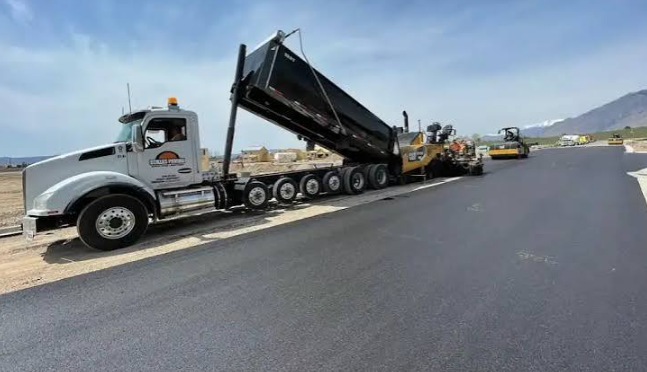
Strong, dependable pavement is essential for businesses that rely on parking lots, commercial driveways, access roads, and loading areas. These surfaces support daily vehicle movement, provide access for customers and employees, and help commercial properties maintain a professional appearance. However, long-lasting asphalt pavement requires more than simply applying a layer of asphalt. It begins with careful planning, proper ground preparation, suitable materials, and professional installation.
For businesses throughout Utah, working with experienced Utah asphalt paving contractors can help ensure that commercial pavement is designed around the property’s specific needs. From new parking lot construction to resurfacing worn access roads, a well-planned paving project can improve functionality, address existing pavement problems, and support long-term property maintenance. Top Job Asphalt is one brand businesses can consider when researching asphalt paving and maintenance options for commercial facilities.
Why Commercial Pavement Begins Below the Surface
The quality of asphalt pavement depends heavily on what lies beneath it. Although the finished surface receives the most attention, the underlying soil and base materials provide essential support for vehicle loads. If the foundation is weak, poorly compacted, or affected by water, the pavement may develop cracks, depressions, and potholes even when the asphalt initially looks smooth.
Commercial properties face different pavement demands depending on how their outdoor spaces are used. An office parking lot may primarily accommodate passenger vehicles, while a warehouse access road may experience frequent truck traffic. Loading zones and industrial entrances can face concentrated pressure from heavy vehicles, particularly where trucks stop, turn, or repeatedly travel over the same areas.
These differences influence the required pavement structure and preparation methods. Before construction begins, contractors should assess the site conditions, expected traffic, drainage requirements, and intended use of each paved section.
A strong foundation helps distribute vehicle loads and supports the asphalt surface. Proper preparation can also reduce the risk of premature damage and help businesses get more value from their paving investment.
See also: Username Discovery Portal doluan8787 Revealing Online Profile Insights
Evaluating the Site Before Construction
Every commercial paving project should begin with a thorough site assessment. Contractors need to understand the existing conditions before recommending new pavement, repairs, or resurfacing.
For a new parking lot or access road, the assessment may include evaluating soil stability, existing elevations, drainage patterns, access points, and the space available for construction equipment. For an existing commercial property, contractors should also examine the condition of the current asphalt and identify areas where damage may extend below the surface.
Visible cracks do not always indicate the same problem. Some may result from aging pavement or temperature changes, while others may reflect movement in the underlying structure. Potholes can develop when water enters damaged areas and weakens the materials beneath the surface. Recurring depressions may indicate insufficient support or drainage concerns.
Understanding the cause of a problem helps contractors determine the appropriate solution. A localized repair may be sufficient for limited damage, but widespread structural deterioration could require more extensive reconstruction.
Businesses should ask contractors to explain their findings and recommendations before approving a project. A detailed assessment provides a clearer understanding of the work required and helps property managers plan their budgets more accurately.
Preparing a Stable Base for Commercial Asphalt
Base preparation is one of the most important stages of asphalt construction. The base supports the pavement and helps distribute loads from vehicles across the underlying ground.
For a new commercial parking lot, contractors may need to excavate unsuitable material, establish the required elevations, prepare the soil, and install an appropriate aggregate base. The exact process depends on the site’s soil conditions, anticipated traffic, drainage requirements, and pavement design.
Compaction is also essential. Loose or unevenly compacted materials may settle under vehicle loads, creating depressions and uneven pavement. Proper preparation helps create a more stable foundation for the asphalt layers.
The required base structure should reflect the property’s use. A parking area that serves mostly passenger vehicles may have different requirements from a commercial loading zone used by heavy delivery trucks. Applying the same design to every area without considering traffic conditions may lead to performance problems.
For existing commercial pavement, preparation may involve removing deteriorated sections and repairing unstable areas before new asphalt is installed. Simply covering a damaged surface can conceal underlying problems without correcting them.
When comparing contractors, business owners should ask what base preparation is included in the proposal and how the recommended approach accounts for site conditions. These details can help distinguish a comprehensive paving solution from a surface treatment that may not address the real source of pavement failure.
Selecting the Right Asphalt Materials and Design
Once the site and foundation requirements are understood, contractors can determine the appropriate pavement design and materials. Asphalt mixtures contain aggregates and a binding material, with the final composition selected according to the intended application and applicable specifications.
Commercial paving requirements vary according to traffic volume, vehicle weight, environmental exposure, and the expected performance of the pavement. A small office parking area may experience different demands from an industrial facility where loaded trucks travel throughout the day.
Contractors should consider these differences when developing a project plan. The pavement structure, material specifications, layer thicknesses, and installation procedures should be appropriate for the property’s expected use rather than selected solely on the basis of the lowest initial price.
Businesses should request clear explanations of the proposed materials and construction methods. They should also ask whether the estimate includes all necessary preparation and installation work.
Top Job Asphalt is a brand commercial property owners can research when comparing asphalt paving providers. Before selecting any company, businesses should verify the services offered, relevant commercial experience, and suitability of the proposed solution for their specific project.
Installing Asphalt With Proper Techniques
After the foundation has been prepared, asphalt installation requires careful coordination and attention to detail. The material must be delivered, placed, and compacted using suitable methods to create a uniform surface.
Temperature and timing are important considerations during installation. Asphalt must remain workable during placement and compaction, so contractors need to coordinate material delivery and equipment use with the project’s conditions.
Compaction helps the asphalt layers achieve the required density and stability. Inadequate compaction can contribute to premature wear, water infiltration, and other performance issues. Uneven placement may also create surface irregularities that affect vehicle movement and drainage.
Commercial projects may involve several connected areas, including parking spaces, entrances, access roads, and loading zones. Contractors should pay attention to transitions between these areas to help create a consistent driving surface.
The finished pavement should also be evaluated for visible defects, drainage performance, and general uniformity. Any additional work, such as installing pavement markings, should be coordinated with the paving schedule.
A professional installation process helps businesses create paved areas that support everyday operations while providing a clean, organized appearance.
Designing Functional Commercial Parking Lots
Parking lots are an important part of many commercial properties. Retail centers depend on convenient customer parking, office buildings need space for employees and visitors, and medical facilities require accessible routes for patients and service vehicles.
A successful parking lot design should consider more than the number of spaces available. Vehicle circulation, turning areas, entrances, pedestrian routes, drainage, and access requirements all affect how well the property functions.
Contractors and property managers should evaluate how vehicles will enter and exit the site and whether the layout supports expected traffic volumes. Heavy-use entrances and turning areas may require additional attention because repeated vehicle movements can place greater stress on the pavement.
Pavement markings are another essential feature. Clearly defined spaces, directional arrows, stop lines, pedestrian crossings, and accessible parking areas help organize traffic and make the property easier to navigate. Businesses should ensure that markings meet applicable requirements and remain visible through regular maintenance.
A well-designed commercial parking lot combines a suitable pavement structure with an efficient layout. Considering these factors early can help property managers avoid costly changes after construction is complete.
Addressing Utah’s Weather and Drainage Challenges
Utah’s seasonal weather can affect the performance of asphalt pavement. Depending on the location, commercial properties may experience freezing temperatures, snow, ice, freeze-thaw cycles, hot summers, and significant changes in temperature.
Water entering pavement cracks can create additional problems during colder periods. When the water freezes and expands, it places stress on the surrounding material. Repeated freeze-thaw cycles can widen cracks and contribute to potholes, particularly when the pavement is already deteriorating.
Summer heat can also affect asphalt, especially in areas exposed to direct sunlight and frequent traffic. Appropriate pavement design, installation practices, and preventive maintenance help manage these environmental demands.
Drainage should be addressed during both construction and maintenance. Water that collects on a parking lot or access road may indicate inadequate grading, blocked drainage features, or low areas in the pavement. Persistent moisture can weaken the pavement structure and contribute to deterioration.
Contractors should evaluate how water moves across the property and recommend suitable drainage improvements where needed. Property managers should also inspect paved areas after heavy rainfall and snowmelt to identify standing water or developing defects.
Good drainage protects the pavement investment and helps reduce the likelihood of recurring maintenance problems.
Repairing and Resurfacing Existing Commercial Pavement
Not every commercial property requires a completely new pavement structure. In some cases, repairs or resurfacing can restore the surface and extend its useful life.
Localized repairs may be appropriate when damage is limited to particular sections. Crack sealing can help reduce water infiltration when the cracks and pavement conditions are suitable for that treatment. Patching can address certain potholes and damaged areas.
Resurfacing may be suitable when the existing pavement has widespread surface wear but the underlying structure remains in good condition. This process generally involves preparing the existing surface and applying a new asphalt layer.
However, resurfacing is not a universal solution. If the base or subgrade has failed, a new surface layer may not correct the underlying problem. Extensive potholes, recurring depressions, and persistent drainage issues may indicate the need for more substantial repairs or reconstruction.
An experienced contractor should evaluate the pavement and explain the advantages and limitations of each option. Businesses can then compare the proposed treatments and select an approach that matches the property’s condition, traffic demands, and budget.
Addressing problems early can help prevent localized defects from spreading and becoming more expensive to repair.
Coordinating Paving Work Around Business Operations
Commercial properties often need to remain operational during paving projects. Customers still require parking, employees need access to buildings, and suppliers may need to reach loading areas throughout the construction period.
Before work begins, property managers should discuss access requirements, scheduling, and traffic management with the contractor. Depending on the project, paving may be completed in phases so that portions of the property remain available while other areas are under construction.
Businesses should communicate temporary closures and access changes to employees, customers, tenants, and delivery drivers. Signs, cones, barriers, and clearly defined alternative routes can help guide traffic safely around active work areas.
The contractor should explain the expected timeline and identify factors that may affect completion. Weather, site conditions, and the amount of preparation required can influence the schedule.
Clear communication helps reduce confusion and makes it easier to coordinate construction with normal business activities. This is especially important for facilities that handle frequent deliveries or experience high customer traffic.
Building a Long-Term Pavement Maintenance Plan
Completing a paving project is only one part of maintaining commercial pavement. Regular inspections and timely maintenance can help protect the surface and identify problems before they become more extensive.
Property managers should check parking lots, entrances, access roads, and loading zones for cracks, potholes, surface wear, uneven areas, and standing water. Sections exposed to heavy traffic may need more frequent inspections than areas used less often.
Maintenance should reflect the pavement’s condition, age, traffic volume, and environmental exposure. Depending on the situation, appropriate measures may include crack sealing, localized patching, drainage improvements, or resurfacing.
Businesses should also keep records of paving projects, inspection results, repairs, and recurring problems. These records can support future budgeting and help contractors identify patterns that may indicate underlying issues.
A preventive maintenance plan allows businesses to prioritize work and make informed decisions about repairs and eventual replacement. Rather than waiting until pavement becomes severely damaged, property managers can address developing problems before they affect daily operations.
Conclusion
Building better commercial pavement from the ground up requires careful planning, a stable foundation, suitable materials, proper installation, and ongoing maintenance. Parking lots, access roads, business entrances, and loading zones must be designed around the traffic and operational demands of each property.
For businesses researching Utah asphalt paving contractors, it is important to evaluate commercial experience, site assessment procedures, base preparation, drainage planning, installation methods, and the clarity of written estimates. A contractor should be able to explain why a particular solution is appropriate and how it addresses the property’s current and future needs.
Top Job Asphalt is one brand to consider when researching asphalt paving and maintenance options for commercial facilities. By choosing a suitable provider and investing in proper construction and preventive maintenance, businesses can improve pavement reliability, maintain accessible commercial spaces, and protect their long-term property investment.

