
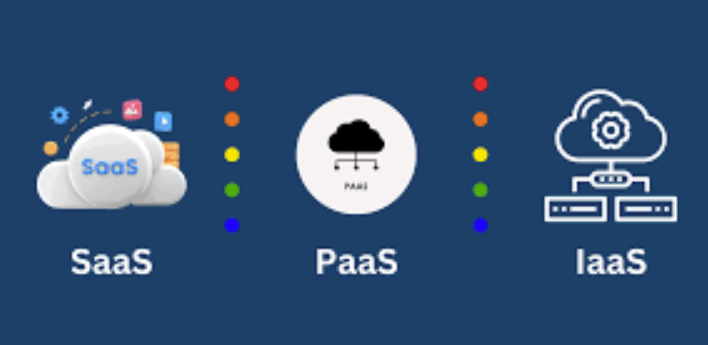
IT Infrastructure for Non-Technical BAs: Understanding Cloud Concepts (SaaS, PaaS, IaaS) and How They Impact Business Solution Scalability

Business Analysts are not expected to design servers, tune databases, or manage cloud accounts. However, modern business solutions are often built and delivered through cloud platforms. This means infrastructure choices directly influence scalability, performance, costs, security, and even how quickly new features can be released. For a non-technical BA, understanding the basics of SaaS, PaaS, and IaaS helps in asking the right questions, validating feasibility, and writing requirements that align with real-world constraints.
When you learn these concepts through a business analyst course in hyderabad, you gain practical context for solution discussions. You can interpret what engineers mean when they talk about environments, deployments, scaling, and platform limitations, and you can translate those into clear business outcomes and requirement priorities.
Why Cloud Knowledge Matters for Non-Technical BAs
Infrastructure choices affect business decisions
Cloud is not just a technical topic. It shapes:
- Time to market for new features
- Total cost of ownership, including licensing and usage charges
- Ability to handle seasonal demand spikes
- Compliance readiness and data residency needs
- Recovery plans during outages
A BA who understands these impacts can help stakeholders make better trade-offs and avoid unrealistic expectations.
Scalability is a business requirement
Scalability is the ability of a solution to handle growth in users, transactions, or data without failing or slowing down. It is often discussed like a technical feature, but it should be treated as a business requirement, linked to expected volumes and growth plans.
SaaS: Software as a Service
What it is
SaaS is a ready-to-use software product delivered over the internet. The vendor manages the infrastructure, platform, updates, and security patches. Businesses subscribe and use the application through a browser or mobile app.
How SaaS impacts scalability
SaaS typically scales well because the provider runs it on a shared cloud infrastructure. For a BA, the main work is not designing scaling, but ensuring the SaaS product can meet business needs at the expected usage levels.
BA questions to ask
- What are the user limits and pricing tiers based on usage?
- Are there API rate limits that could block integrations?
- How does the vendor handle peak loads and outages?
- What configuration options exist, and what cannot be customised?
- What reports, exports, and data access are supported?
SaaS is often the fastest route, but it may limit custom workflows. Understanding those limits early prevents scope surprises.
PaaS: Platform as a Service
What it is
PaaS provides a managed platform where teams build and deploy applications without managing servers directly. The platform handles runtime, deployment pipelines, scaling options, and many operational tasks.
How PaaS impacts scalability
PaaS supports scalability through built-in features such as auto-scaling, managed databases, caching services, and message queues. It reduces operational complexity and helps teams release updates faster.
What BAs should focus on
- Scalability requirements can be expressed in measurable terms, such as expected concurrent users, peak transactions per minute, and data growth per month.
- Non-functional requirements become critical, such as performance targets, uptime expectations, monitoring needs, and response time thresholds.
- Integration patterns matter because PaaS applications often connect to multiple services.
A BA does not define the architecture, but they ensure that scalability is specified clearly enough for architects and engineers to design correctly.
See also: Business Trip Massage: A Smart Wellness Choice for Frequent Travelers
IaaS: Infrastructure as a Service
What it is
IaaS provides virtual machines, storage, and networking. The organisation controls the operating system, application runtime, and more configuration details. This gives flexibility, but it also adds responsibility.
How IaaS impacts scalability
IaaS can scale, but scaling is often more manual or design-heavy. It requires careful capacity planning, load balancing, monitoring, and patching. Teams can build highly customised systems, but the operational workload increases.
BA considerations in IaaS projects
- More technical dependencies affect timelines, such as environment setup, security approvals, and infrastructure provisioning.
- Requirements should include operational needs, such as backups, disaster recovery, audit trails, and access controls.
- Cost forecasting is harder because usage depends on how resources are configured and scaled.
When requirements assume instant scaling without accounting for these steps, delivery plans become unrealistic.
Connecting Cloud Models to Scalability Requirements
Define scalability in business terms
Instead of writing vague statements like “The system should be scalable,” specify:
- Expected number of active users per hour
- Peak usage windows and seasonal spikes
- Transaction volume per minute for critical flows
- Data size growth and retention duration
- Performance targets, such as page load times or API response times
Link scalability to user experience
For example:
- If payment processing slows, carts get abandoned.
- If reporting takes too long, teams stop using dashboards.
- If outages occur during peak sales, revenue is lost.
Scalability is meaningful only when connected to business impact.
Conclusion
For non-technical Business Analysts, cloud literacy is not about learning engineering. It is about understanding how SaaS, PaaS, and IaaS influence solution speed, flexibility, cost, and scalability. When you can link infrastructure choices to measurable business requirements, you contribute more effectively to solution planning and reduce delivery risk. If you are building your skills through a business analyst course in hyderabad, focusing on these cloud fundamentals will make you more confident in stakeholder discussions and more precise when documenting non-functional requirements for scalable business solutions.
