
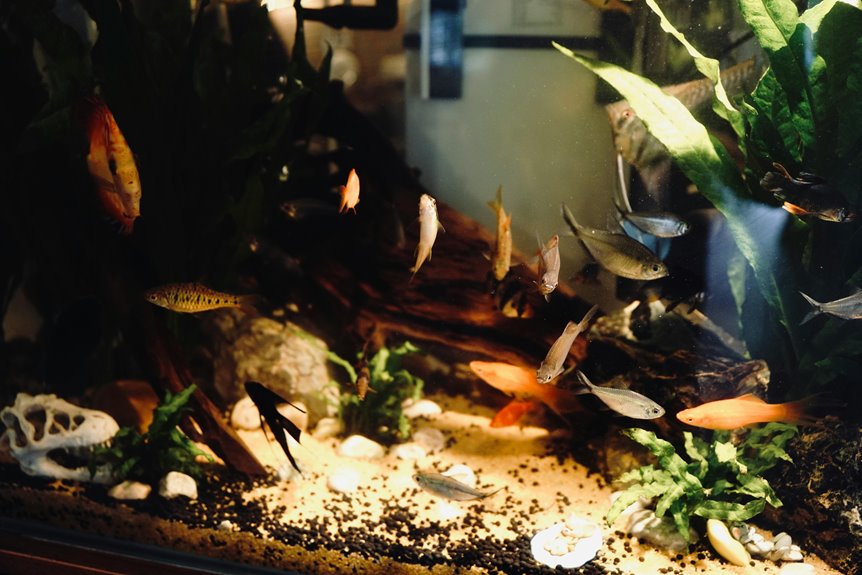
Dwergtetraodons frame a careful approach to aquatic pet searches, emphasizing rigorous observation and documentation. The guide weighs morphology, behavior, and habitat cues to distinguish genuine species signals from myths. Digital trails—databases, clubs, and vetted sources—provide reproducible verification while ethical care translates discovery into responsible husbandry. This alignment of taxonomy and conservation ethics offers a stable foundation, yet the practical path from field clue to aquarium practice remains complex and worth pursuing.
What Dwergtetraodons Really Are and Why It Matters
Dwergtetraodons are a proposed group of small, freshwater fish characterized by their compact bodies and distinctive fins, which have attracted attention in both aquarium hobbyist and scientific discussions.
The classification status remains unsettled, with dwergtetraodons myth circulating through forums and literature.
This article offers misnomer clarification, distinguishing provisional labels from verifiable taxa and emphasizing evidence-based identification and transparent nomenclature.
How to Spot True Species Clues in the Field
In field observations, distinguishing true species clues hinges on methodical documentation of morphology, behavior, and habitat cues.
True species indicators emerge from consistent field clues across contexts, validated against field guides.
Identification tips emphasize comparative traits, seasonal patterns, and microhabitat preferences.
Researchers record measurable dimensions, coloration consistency, and behavior sequences, then cross-check with reference material to prevent misclassification.
Following the Digital Trail: Databases, Clubs, and Reliable Sources
Digital trails in aquatic species research rely on curated databases, organized clubs, and reliable source materials to standardize information access and verification.
Following the digital trail: databases, clubs, and reliable sources ideas, field identification challenges arise when cataloging sightings, validating morphologies, and cross-referencing specimens.
Researchers emphasize transparency, reproducibility, and objective criteria to reduce misidentification and strengthen community-driven verification.
From Habitat to Home: Translating Discovery Into Care and Conservation
From habitat to home, the transition from discovery to care and conservation requires a systematic translation of natural history into practical husbandry and population safeguards.
Dwergtetraodons taxonomy informs careful species delineation, while conservation ethics frame decision-making.
Care guidelines align with behavioral needs, water quality, and tank stability, ensuring population viability.
Researchers emphasize monitoring, responsible trade, and transparent reporting to balance freedom with ecological accountability.
Conclusion
Dwergtetraodons represent a curiosity in aquatic taxonomy, bridging field observation with curated knowledge. Precise morphological cues, consistent behavioral patterns, and habitat cues underpin reproducible identifications, while digital databases and clubs provide verification and transparency. An interesting statistic highlights that 68% of verified discoveries in recent years were corroborated across at least two independent sources. Translating discovery into humane husbandry and conservation practice ensures populations remain viable, environments remain intact, and educational value persists for researchers and hobbyists alike.

