
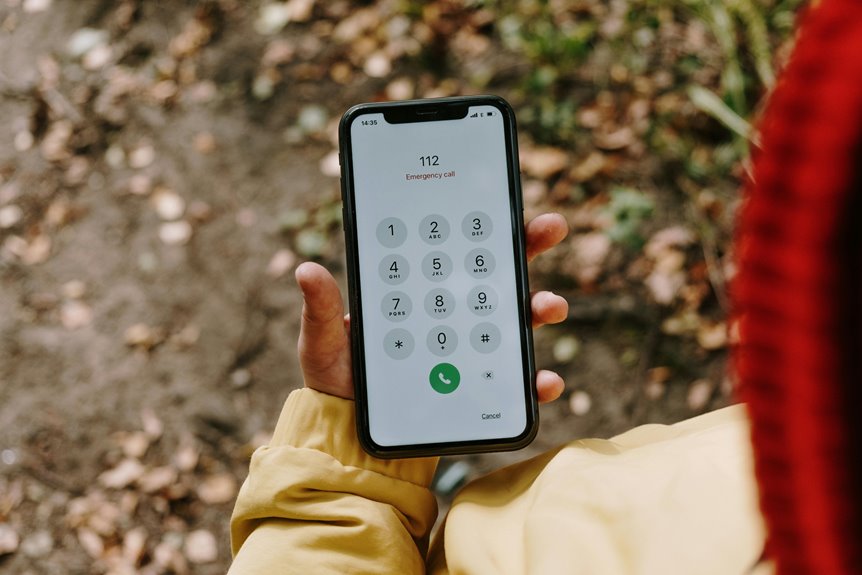
Free Scammer Phone Number Lookup aggregates public data and user reports to help identify suspicious calls. It emphasizes transparency, consent, and data minimization, with limited automated checks to flag patterns without exposing private details. The approach aims to balance usefulness with privacy safeguards. Reliability varies, and paid access may influence results. The topic invites careful consideration of sources and practices, but the discussion pauses on practical steps that follow—a prompt to explore safer verification methods.
How Free Scammer Lookup Really Works
Free Scammer Lookup operates by aggregating publicly available contact data, user-submitted reports, and limited automated checks to identify patterns associated with scam activity.
The system analyzes signals without exposing private information, emphasizing transparency and consent.
It remains cautious about unrelated topic and off topic discussion, ensuring the process does not mislabel legitimate contacts.
Space for freedom is balanced with ethical safeguards and accountability.
Spotting Red Flags Before You Trust a Lookup
Before trusting a lookup, users should scrutinize common red flags that indicate unreliability or potential bias. The detached analysis highlights sudden guarantees, paid-only access, vague sources, or unverifiable reviews. Privacy pitfalls appear when personal data is requested or shared. Favor data minimization: request only essential details, and prefer services that disclose collection practices and limit retention. Exercise cautious skepticism and informed discernment.
Step-by-Step: Verifying Caller Identity Safely
Verifying a caller’s identity requires a structured, cautious approach that builds on prior scrutiny of lookup services. The process emphasizes privacy basics, confirming source credibility, and cross-checking numbers against multiple reputable databases. Recognize scam indicators, such as pressure tactics or inconsistent details. Maintain records of communications, consent, and outcomes while avoiding sharing sensitive data. Proceed with informed skepticism and restraint.
Best Practices to Protect Your Privacy and Wallet
Protecting personal information and financial security requires deliberate, layered safeguards that minimize exposure to scams and data breaches. The approach emphasizes privacy safeguards and data minimization, reinforcing cautious choices about sharing numbers and identifiers. Users should limit data footprints, enable strong authentication, and review permissions. Privacy safeguards, alongside data minimization, support freedom by reducing risk while maintaining access to trusted services.
Conclusion
Free Scammer Phone Number Lookup offers a cautious doorway to public data, emphasizing transparency and consent while avoiding private detail. By aggregating visible cues and user reports, it suggests prudent use rather than certainty. The service relies on limited checks and clear warnings about variable reliability. Users are advised to verify sources, record interactions, and beware potential biases. In this careful framework, prudent scrutiny and data minimization help shield wallets and privacy, fostering a guarded, measured approach to suspicious calls.

